

Scaling an affiliate marketing business opens the door to bigger commissions and more freedom. I’ve learned that growing past the beginner phase isn’t just about working harder—it’s about using smarter strategies and making decisions that lead to reliable growth. Here’s how I go about it, step by step, so you can take your results up a notch too.
Knowing Your Numbers: Setting Growth Goals
If you want to scale your affiliate business, understanding your numbers is super important. Start by figuring out how much you earn per sale and what your average commission looks like. Let’s say you get $40 per sale. To reach $10K each month, you need:
- 250 sales per month (250 × $40 = $10,000)
- Or, about 8-9 sales a day
Tracking clicks, conversion rates, and refunds makes it easier to spot what’s working and where you’re losing money. When you know these numbers, you can create realistic targets and much better plans. For example, you might track down exactly which page or type of content brings in the most sales. Over time, you can use these insights to tweak your strategy and set new milestones that fit your ambitions and capacity. This way, your plans stay grounded in real data and become more achievable.
Building Out Your Traffic Sources
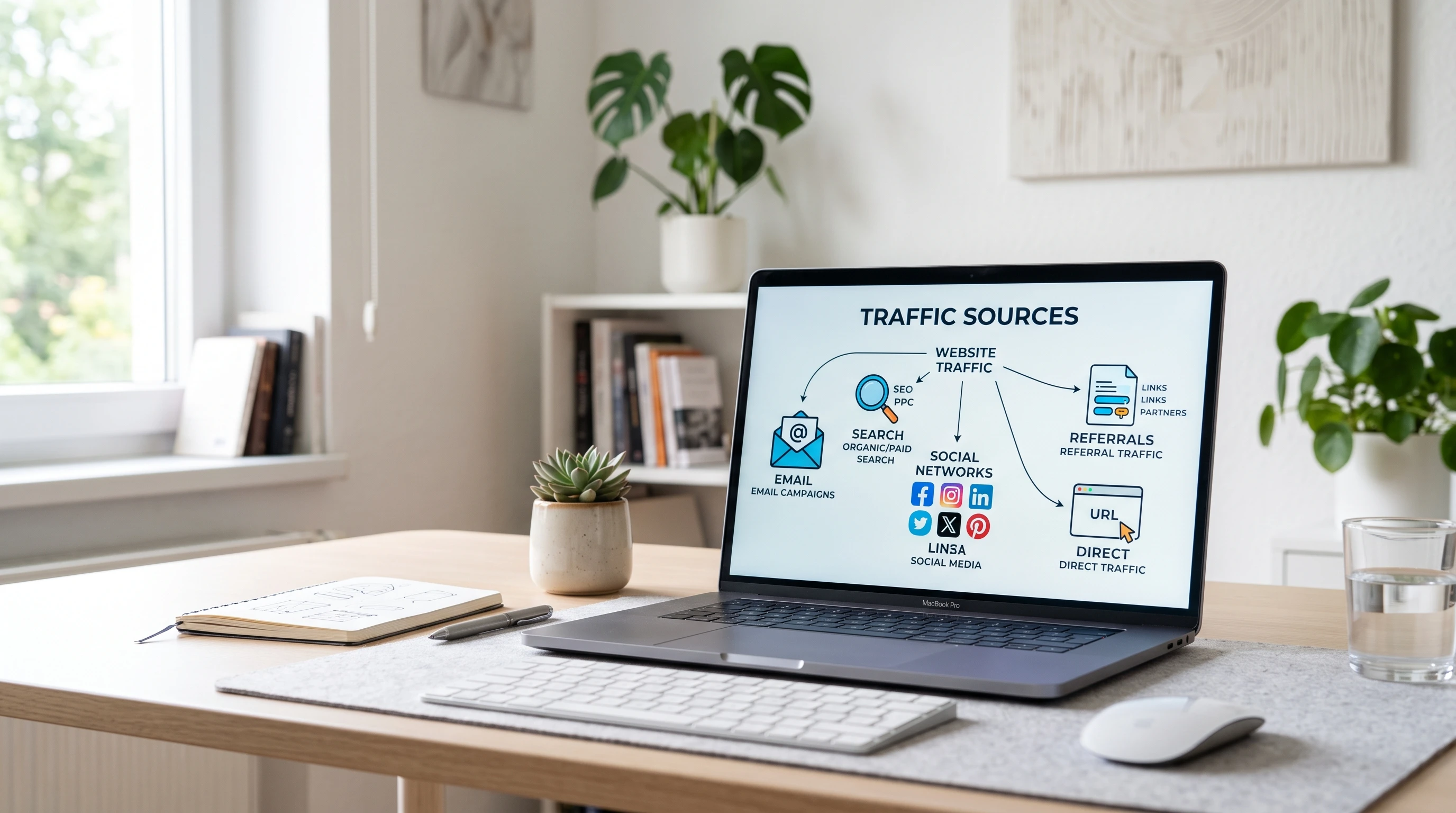
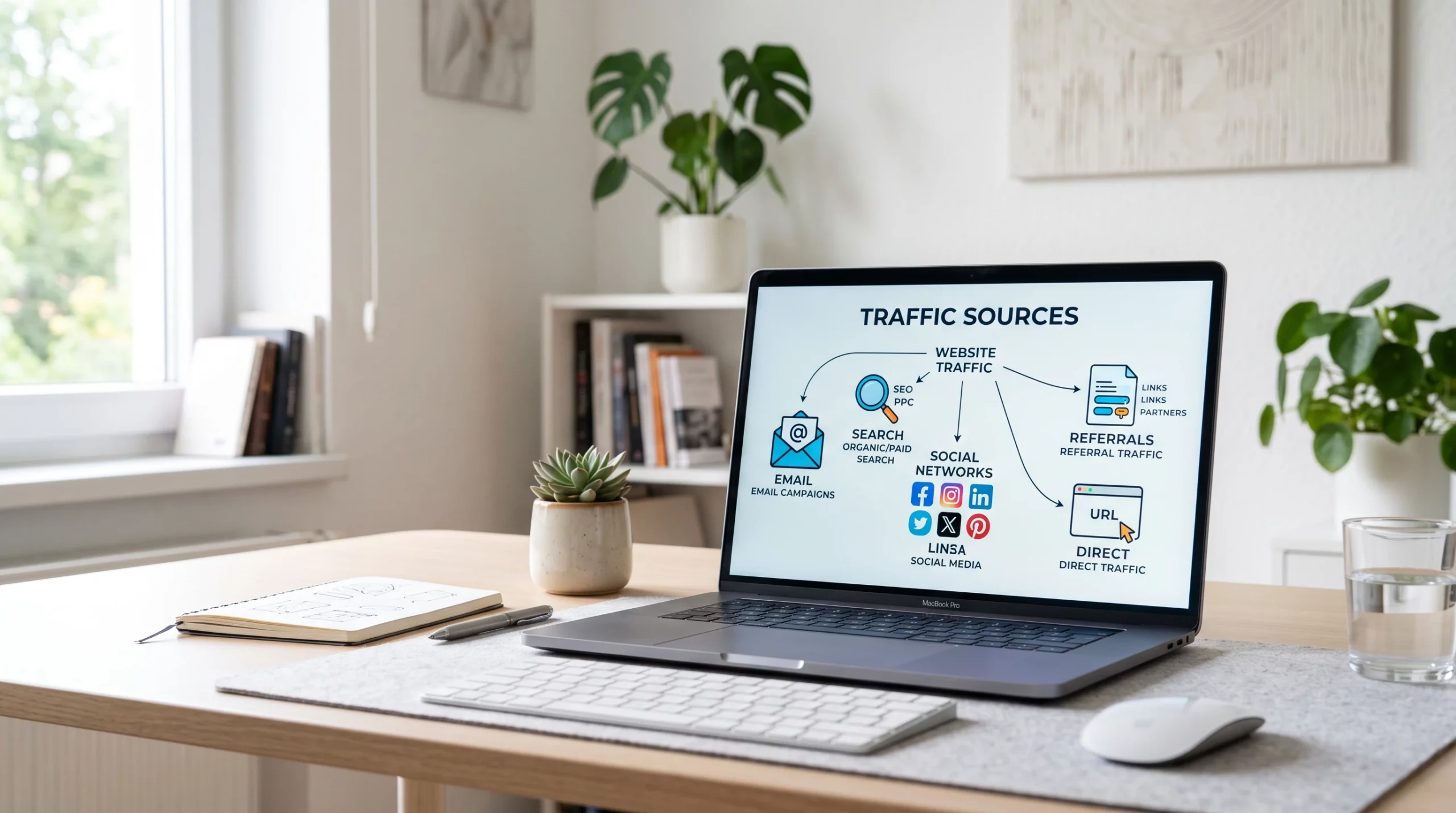
I don’t rely on just one source of visitors. If all your sales come from a single platform, like Google search or just one social media network, algorithm changes or bans can really cause problems. If you want to grow, spreading your traffic across different channels is super helpful.
- SEO Content: Keep publishing guides, reviews, and tutorials so new people always find your site. Over time, your backlog of articles will act as a foundation that lets you weather search engine changes while still attracting steady traffic.
- Email List: Start building your own list. Email lets you reach your fans directly with new offers or content, and it creates a safety net in case your website or account gets suspended. A strong email list means you can reach your audience anytime, no matter what happens to other platforms.
- Paid Ads: Test ads on Facebook, Google, or Pinterest. Start small and track your return. Once you find something profitable, increase your budget for bigger gains. Ads let you reach cold audiences quickly and can give your affiliate business a big boost if you get the numbers right.
- Social Media: Share tips, stories, and products on multiple platforms, not just one. This helps you reach different groups of people and build brand recognition. Over time, you’ll pick up patterns about where your audience hangs out the most, helping you fine-tune your focus.
Mix in some variety with your traffic sources and don’t put all your eggs in one basket. As your business grows, you can always check out emerging platforms or channels to see what works next.
Making Smart Offers and Partnerships
Working with just one or two affiliate programs is limiting. I look for top-paying offers that actually fit my audience’s needs, and I switch up my strategy as trends or seasons change. Here are a few approaches I use:
- High-Ticket Programs: Sometimes, promoting higher-priced items or services pays bigger commissions, so less work is needed per sale. Stumbling upon the right offer can really step up your average commission.
- Recurring Payments: Subscription-based programs pay every month that customers stay, which can give your income a steady boost and make it easier to plan for the future.
- Mix of Products: Promote both quick wins (one-time purchases) and lasting solutions (subscriptions or courses) to balance short-term cash with steady income. This approach helps you cover your bases so you’re not dependent on just one type of offer.
Automating, Outsourcing, and Tracking Results
Growing means handling more content, campaigns, and customer questions. I use automation tools to schedule blog posts, build email sequences, and keep up with performance stats. When I’m ready, I outsource repetitive tasks like content writing, research, or simple design jobs. This allows me to focus on creative work and taking things up a notch, instead of just doing day-to-day chores.
Tracking results isn’t about feeling good or bad; it’s about seeing what’s working. I use affiliate dashboards, Google Analytics, and email reports to see which channels drive the best clicks and sales. If something works really well, I double down. If it doesn’t, I tweak or drop it fast. This steady focus on reviewing the data keeps my business headed in the right direction.
On top of that, automation tools can help you speed things up when you start scaling. From scheduling emails to managing social posts, having these systems in place frees up your time for deeper work or even just to take a break and recharge.
Start Scaling Your Affiliate Business Now
If your goal is real growth, start by checking your numbers and experimenting with new offers and traffic methods. There’s no magic one-size-fits-all plan, but there’s always a next step you can try today. Staying consistent and open to trying fresh ideas can make all the difference over time.
If you’re ready to take things to the next level, review where you’re at and pick one area—be it content, offers, or traffic—to test something new this week. Even small changes can lead to big results if you’re patient and keep your eye on the data.
Questions? Share Your Experience
Feel free to share your tips or ask about scaling your affiliate business. Stories from others are super useful and help everyone pick up new ideas. Drop your questions or wins below, since someone else is probably facing the same challenge or ready to celebrate your progress. Checking in with the community can keep you motivated and might help you stumble upon your next winning strategy.




I’ve seen that scaling tends to get much more sustainable when growth decisions are tied to both revenue and quality signals, not simply clicks or raw sales. For instance, refund rates, subscriber retention, email engagement, and the lifetime value of referred customers can reveal whether an offer is building long-term trust or only producing a short-term spike.
Diversifying traffic is especially important, but each channel needs its own measurement plan so time and ad spend do not quietly outweigh commission income. A content publisher can get a lot of leverage by finding one proven page or tutorial, improving its conversion path, and then repurposing the core idea for email and social rather than trying to create everything from scratch.
Thanks, Aly! That’s a great point. I especially like your emphasis on looking beyond clicks and immediate sales. Metrics like retention, refunds, engagement, and customer lifetime value can tell us whether we’re actually building something sustainable.
I also agree that improving and repurposing content that already works can be much more effective than constantly trying to create something completely new. Really valuable insights—thanks for adding this to the discussion!