

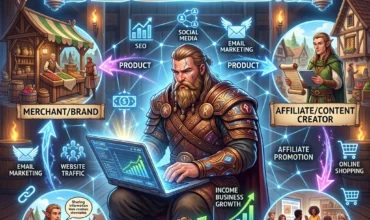
Affiliate marketing is a fantastic opportunity if you’re working remotely and looking to boost your income. It’s all about promoting products or services and earning a commission every time someone makes a purchase through your unique link. Think of it as a way to earn money by recommending stuff you already love or find useful, without any of the hassle of handling inventory or customer service.
The beauty of affiliate marketing lies in its flexibility and scalability. You can work from anywhere, whether you’re traveling or just cozy at home, and on your schedule. Plus, there’s enormous potential for passive income. Once you set up your affiliate links and content, they can keep generating income long after you’ve done the initial work.
To make the most out of this opportunity, it’s important to pick the right affiliate programs. Not all programs are created equal, and the goal is to find those that offer great commissions, have a strong brand presence, and provide good support. You want programs that offer reliable, consistent payments and are stable. Researching and picking wisely can make a big difference in your income.
Let’s also talk about some examples of top affiliate programs. There’s a wide variety of options out there, from productivity tools like Todoist or Trello, to home office gear suppliers, which are perfect since remote work often needs good quality equipment. Think about educational platforms like Coursera, where people are eager to upscale or learn new skills. They present great opportunities to earn by helping others learn.
The lifestyle and wellness niche is booming too. With more people focusing on health and wellness, promoting products in this area can help maintain your audience’s work-life balance. It’s all about selecting products that align well with your values, so your recommendations come off natural and genuine.
Financial services affiliate programs are worth considering as well. Many remote workers think about saving taxes, investing, or managing finances efficiently. Try exploring programs offering tools to help them achieve these goals.
Some folks have got it all figured out and are making a decent sum with affiliate marketing. These success stories can be incredibly motivating. Real-life examples show that dedicated efforts, picking the right niche, and building trust with audiences can yield substantial earnings. It’s worth reading up on case studies of people who’ve worked their way to success.
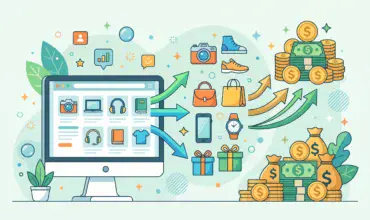
To really succeed, a solid strategy is essential. This includes understanding your audience, creating engaging content, and having a fair dose of patience since success won’t come overnight. Using visual content, like pictures of products, can boost engagement too. A well-placed image speaks volumes, providing context and enticing potential buyers.
Affiliate marketing is an exciting field with tons of potential, especially if you’re working from home. When you choose the right programs and pair them with thoughtful content, you’re on a promising path to boosting your income.



Here is one you can post for this article:
Hi fellow writer, thanks for putting this together. I’m working remotely between Nairobi and Juba so this topic is very relevant for me.
I liked your point about flexibility and passive income, but in my experience the passive part takes a long time. How long did you find it takes before the links actually start bringing something consistent? And for remote workers like us whose audience is mostly in East Africa, do productivity tools like Todoist or Coursera convert well? I worry the subscription cost is too high for many of my readers.
Also curious about the financial services niche you mentioned. Do you have any examples of programs that accept affiliates from South Sudan or Kenya and pay without needing a US PayPal?
John
Hi John, thanks for the thoughtful questions! I completely agree that “passive income” can be misleading if we make it sound immediate. It usually takes time to build useful content, traffic, and trust before affiliate income becomes consistent, so I’d focus more on building a long-term content asset than expecting quick results.
For East African audiences, I think the key is exactly what you mentioned: affordability and accessibility. Productivity tools or courses may convert better when they solve a clear problem and offer pricing or payment options that work for the local audience.
As for financial services and payment options in South Sudan or Kenya, I don’t want to recommend specific programs without verifying their current country availability and payout methods. That’s actually a topic worth researching properly, and I may cover it in a future article.
Thanks again—your questions highlight an important issue for African affiliate marketers that deserves more attention.
This was such an encouraging read. As a stay-at-home mom exploring affiliate marketing to help with my family’s finances, I sometimes feel overwhelmed by the sheer number of affiliate programs available. I want to choose trustworthy programs, align with topics I genuinely care about, and have good long-term potential rather than just chasing commissions.
I really appreciate your point about building trust and recommending products that feel natural and authentic. That resonates with me because I’d rather grow slowly with integrity than promote things I don’t truly believe in.
If someone is just starting out with no audience yet, would you recommend joining broad beginner-friendly programs like Amazon Associates first, or focusing on a specific niche and selecting affiliate programs that are more targeted from the start?
Thanks, Alice! I think starting with a specific niche is usually better, even if you have no audience yet. It gives you a clear direction and makes it easier to create helpful content for a specific group of people.
Amazon Associates can be beginner-friendly because of its huge product range, but I wouldn’t join a program just because it is popular. I’d first choose a topic you genuinely care about, build useful content around it, and then find trustworthy affiliate programs that fit your audience.
Starting small and building trust is a great approach. You can always expand into other programs as your audience grows.